

onlinefunctionalmedicinedoctor.com

Introduction to Irritable Bowel Syndrome

Irritable Bowel Syndrome, commonly known as IBS, is a chronic functional gastrointestinal disorder that affects the large intestine. It is characterized by recurring abdominal pain, bloating, gas, and changes in bowel habits, including diarrhea, constipation, or both. IBS does not cause permanent damage to the intestinal lining, but its impact on daily life can be profound, affecting work, social activities, mental health, and overall quality of life.

IBS affects between 25 and 45 million Americans, making it one of the most common gastrointestinal conditions in the country. It is classified into three main types: IBS-D (diarrhea-predominant), IBS-C (constipation-predominant), and IBS-M (mixed), each presenting differently and requiring a tailored treatment approach.

As an Online Irritable Bowel Syndrome Doctor patients across the US trust, Dr. Robert White helps people finally understand what is truly driving their gut symptoms, and how to heal it naturally, from anywhere in the country. Rather than treating IBS as a single condition with a single solution, I treat it as what it truly is, a set of symptoms pointing to specific, identifiable imbalances in your gut, immune system, and nervous system. Through advanced testing and personalized protocols, I help patients get real relief without relying on medications that do nothing to heal the underlying problem.

What Is Actually Driving Your
IBS Symptoms?

IBS is not a diagnosis; it is a label given when conventional medicine runs out of answers. In functional medicine, we keep asking why until we find it. The most common root causes and triggers include:

Gut Dysbiosis

An imbalance between beneficial and harmful bacteria in the gut, known as dysbiosis, is one of the most common underlying drivers of IBS. When the microbial ecosystem is disrupted, digestion becomes erratic, inflammation increases, and symptoms such as bloating, gas, and irregular bowel movements become chronic.

Small Intestinal Bacterial Overgrowth (SIBO)

Research suggests SIBO may be present in up to 80% of IBS patients. This occurs when bacteria that belong in the large intestine overgrow into the small intestine, fermenting food and producing excess gas. SIBO causes severe bloating, cramping, and alternating diarrhea and constipation, and it will not resolve without targeted treatment. \

Leaky Gut Syndrome

When the intestinal lining becomes damaged and permeable, undigested food particles, toxins, and bacteria leak into the bloodstream, triggering an immune response that drives gut inflammation and worsens IBS symptoms. Healing leaky gut is often central to long-term IBS recovery.

Food Sensitivities and Intolerances

Unlike true allergies, food sensitivities cause delayed reactions, often 24 to 72 hours after eating, making them extremely difficult to identify without testing. Gluten, dairy, certain carbohydrates (FODMAPs), and other common foods can silently perpetuate gut inflammation and IBS symptoms for years.

The Gut-Brain Connection

Unlike true allergies, food sensitivities cause delayed reactions, often 24 to 72 hours after eating, making them extremely difficult to identify without testing. Gluten, dairy, certain carbohydrates (FODMAPs), and other common foods can silently perpetuate gut inflammation and IBS symptoms for years.

Chronic Stress and Cortisol Imbalance

Prolonged stress directly affects gut function, altering gut permeability, disrupting the microbiome, and changing the speed at which food moves through the intestines. Many IBS patients find that stress is their most consistent trigger, yet conventional medicine rarely addresses it as part of treatment.

Parasites, Infections, and Post-Infectious IBS

Gut infections caused by parasites, bacteria, or viruses can permanently alter gut motility and the microbiome, leaving a patient with chronic IBS-like symptoms even after the infection has cleared. This is known as post-infectious IBS and is frequently missed without comprehensive stool testing.

Nutritional Deficiencies

Chronic gut dysfunction impairs the absorption of key nutrients, including magnesium, zinc, B vitamins, and vitamin D, creating deficiencies that further worsen gut health, immune function, and nervous system regulation. Identifying and correcting these gaps is an important part of the healing process.

Why Conventional IBS Treatment Fails,
And What We Do Instead

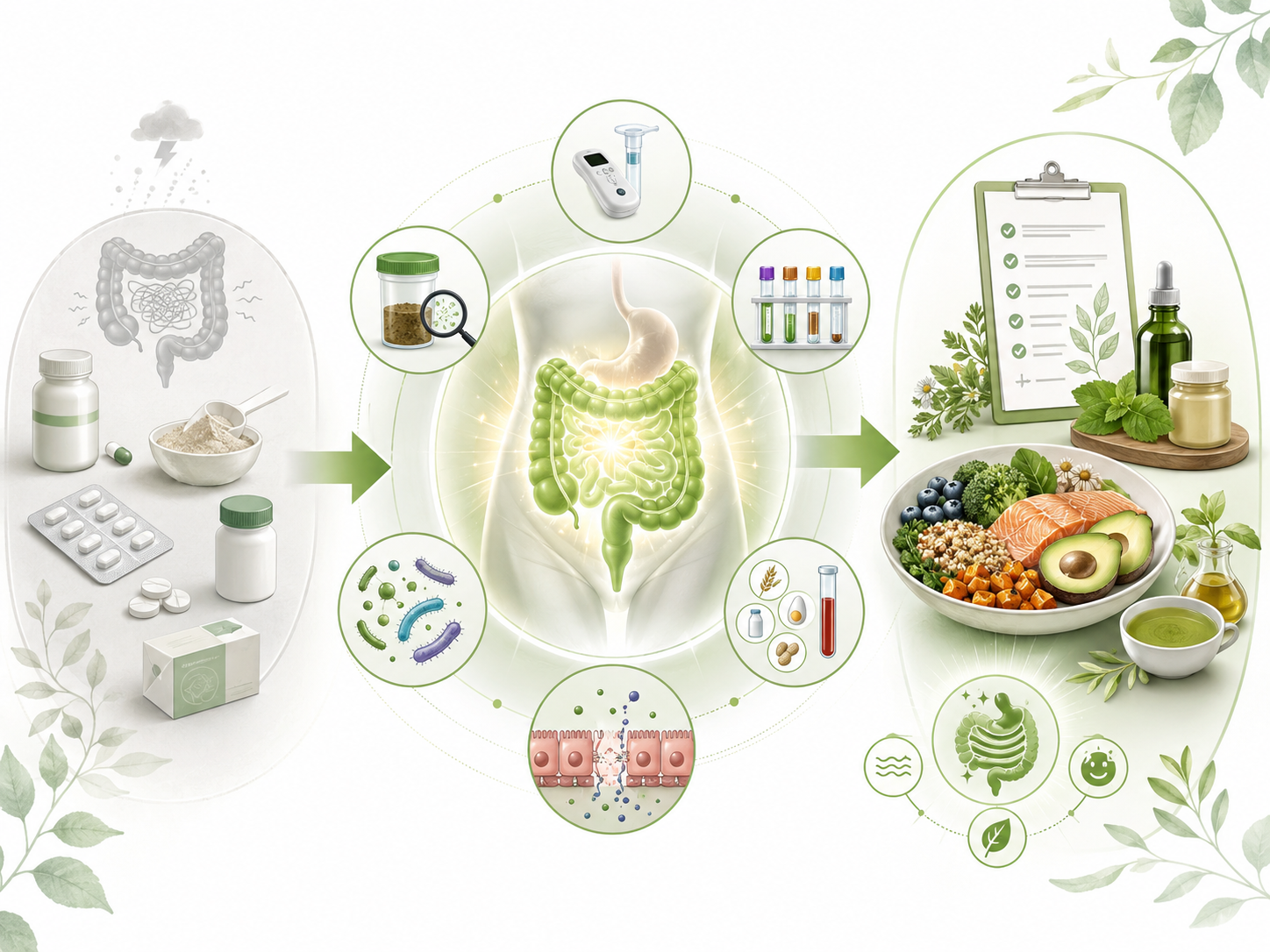
Conventional medicine typically addresses IBS with fiber supplements, antispasmodics, antidepressants, or laxatives. These approaches manage discomfort temporarily but do nothing to resolve the underlying gut imbalances causing the problem. As your Online Irritable Bowel Syndrome Doctor, I build a completely different strategy around your specific root causes.

My root-cause approach involves:

  1. Comprehensive Gut Testing: Advanced stool analysis, SIBO breath testing, food sensitivity panels, gut microbiome assessment, and intestinal permeability markers, going far beyond what any standard GI referral provides.
  2. Personalized Gut Healing Protocols: Every IBS case is different. Your plan is built entirely around your specific findings,  whether the root cause is SIBO, dysbiosis, leaky gut, food sensitivities, or a combination of several factors.


  • Gut-Brain and Stress Integration: Because the nervous system drives gut function, I incorporate adrenal and cortisol assessments, sleep optimization, and stress-regulation strategies into every IBS treatment plan.
  • Patient Education and Empowerment: I explain exactly what is happening in your gut, why your symptoms occur, and what your specific treatment plan addresses, so you understand your body and can sustain your results long term.

IBS Symptoms That Go Beyond an
Upset Stomach

IBS symptoms vary widely between individuals and can change over time. If you recognize a pattern of the following, IBS may be at the root:

IBS symptoms can range from mildly disruptive to completely debilitating, affecting your ability to work, socialize, and enjoy daily life. You deserve answers and a path to actual relief, not just symptom management.

How I Find the Real Cause of Your
Gut Problems

1. Your Gut Health History in Full Detail

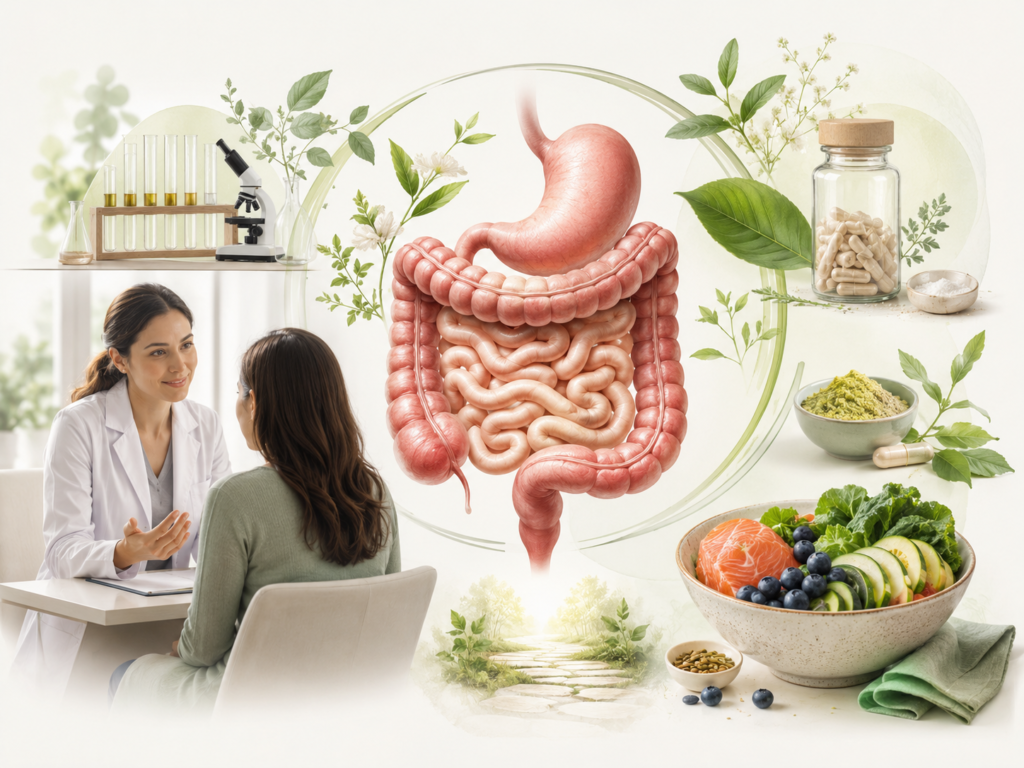
I begin every IBS consultation with a thorough review of your complete gut history, when symptoms began, what makes them better or worse, your diet, stress patterns, antibiotic history, travel history, infections, and previous treatments. This detailed story is often where the most important diagnostic clues are found.

2. Advanced Gut Testing Panel

I use a comprehensive suite of functional testing that goes far beyond a standard colonoscopy or blood panel. This includes comprehensive stool analysis (assessing microbiome diversity, pathogens, parasites, yeast, and inflammatory markers), SIBO breath testing, intestinal permeability assessment, IgG food-sensitivity panels, and targeted nutrient testing, providing a precise map of what is happening inside your gut.

3. Gut-Brain and Systemic Assessment

Beyond the gut itself, I evaluate the nervous system, adrenal function, thyroid status, and inflammatory markers, because IBS is never purely a digestive problem. The gut-brain connection, hormonal patterns, and immune system activity all directly shape gut function and must be assessed together for a complete picture.
How Your Genes and Environment
Shape Your Gut Health

Genetic Susceptibility and Gut Sensitivity

Some individuals have a genetic predisposition to gut hypersensitivity, altered gut motility, or heightened immune reactivity, making their gut more vulnerable to dysbiosis, food triggers, and stress. Understanding your genetic and family health background helps us anticipate these vulnerabilities and address them proactively as part of your treatment plan.

Environmental Factors That Disrupt the Gut Microbiome

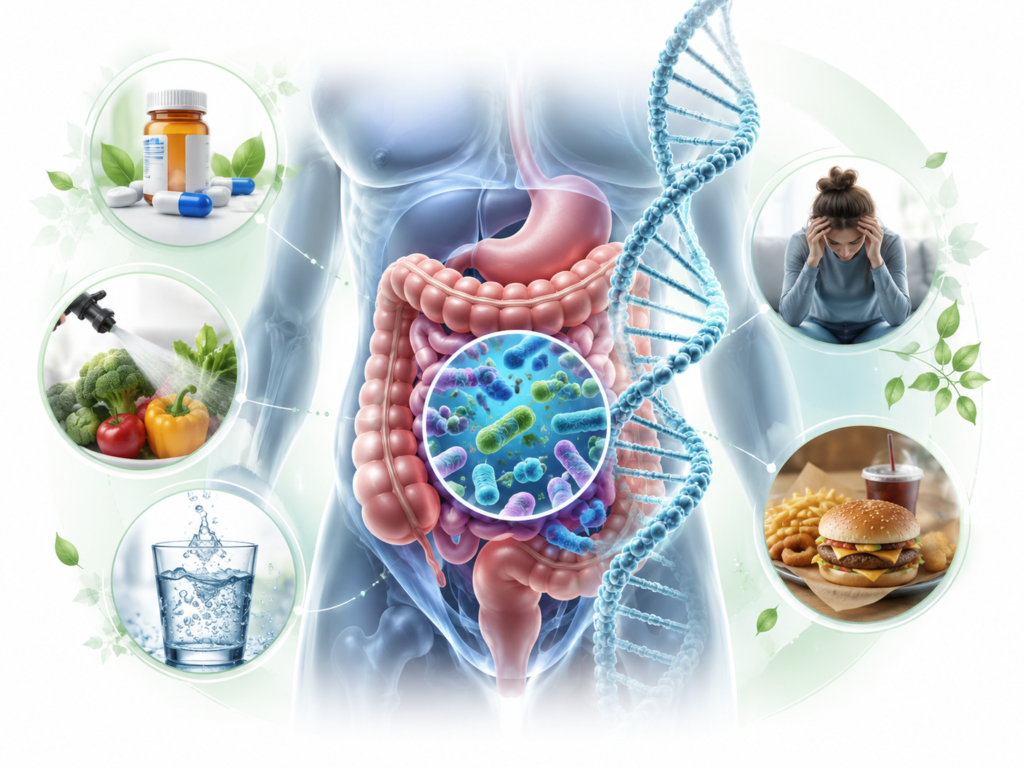
Antibiotic use, environmental toxins, pesticide-laden food, chlorinated water, chronic stress, and a highly processed diet all damage the gut microbiome and intestinal lining over time. Many patients can trace the onset of their IBS back to a specific event, a course of antibiotics, a bout of food poisoning, or a period of intense stress that disrupted their gut environment and was never fully resolved.

Natural and Targeted Treatments That
Actually Heal the Gut

My treatment approach for IBS is built around restoring gut function from the inside out, not suppressing symptoms from the outside in.

Therapeutic Dietary Protocols

Depending on your root causes and test results, I implement targeted dietary interventions, which may include a Low-FODMAP protocol to reduce fermentable carbohydrates, an elimination diet to identify personal food sensitivities, or an anti-inflammatory whole-food protocol to calm gut inflammation. Every dietary plan is specific to your case, not a generic handout.

Microbiome Restoration

Using your stool and gut testing results, I prescribe a precise protocol to restore microbial balance, including targeted probiotic strains, prebiotic foods, and, where indicated, antimicrobial herbs or pharmaceutical-grade treatments to address SIBO, dysbiosis, or pathogenic overgrowth. Restoring a healthy microbiome is often the single biggest turning point in IBS recovery.

Intestinal Lining Repair

When leaky gut is identified, a structured gut-healing protocol supports the repair of the intestinal lining by using nutrients such as L-glutamine, zinc carnosine, collagen, and anti-inflammatory compounds that have been shown to restore gut barrier integrity and reduce immune activation.

Gut-Brain Regulation

Because the nervous system directly controls gut motility and sensitivity, I address adrenal function, cortisol regulation, and stress management as core components of every IBS treatment plan. Techniques including breathwork, mindfulness, sleep optimization, and targeted adrenal support help calm the gut-brain axis and break the cycle of stress-driven flare-ups.

Targeted Supplementation

Based on your lab findings, I prescribe a personalized supplement protocol that may include digestive enzymes, anti-inflammatory nutrients (omega-3s, curcumin, quercetin), gut-healing compounds, magnesium to support motility, and specific herbs chosen for your particular symptom pattern. Nothing generic, only what your body specifically needs.

Everyday Choices That Either
Calm or Inflame Your Gut

Lifestyle is a powerful lever for IBS recovery. Small, consistent daily changes can dramatically reduce flare-up frequency and severity.

Movement and Exercise

  • Regular, gentle movement supports gut and reduces constipation-dominant IBS symptoms
  • Walking, yoga, and swimming are particularly beneficial; vigorous exercise can worsen symptoms in some patients
  • Even a 20-minute walk daily has been shown to improve IBS symptom severity and frequency

Gut-Calming Nutrition Habits

  • Eat slowly, chew thoroughly, and avoid eating under stress, the nervous system must be calm for digestion to work properly
  • Identify and eliminate personal food triggers through testing rather than guesswork
  • Prioritize fiber from cooked vegetables, which is gentler on a sensitive gut than raw foods
  • Stay well hydrated, dehydration directly worsens constipation and gut motility
  • Minimize alcohol, caffeine, artificial sweeteners, and ultra-processed foods, all of which disrupt the microbiome

How I Help You Heal Your Gut Step by Step

As a dedicated Online Irritable Bowel Syndrome Doctor, my process begins with understanding your complete gut story, not just your latest symptom. This includes:
  • Full Gut and Health History: Symptoms, diet, stress patterns, antibiotic and medication history, infections, and lifestyle factors
  • Advanced Functional Gut Testing: Comprehensive stool analysis, SIBO breath test, food sensitivity panel, intestinal permeability markers, and nutrient assessment
  • Whole-Body Functional Assessment: Evaluating the gut-brain axis, adrenal function, hormonal patterns, and immune activity that influence your gut symptoms
Once I have a complete picture, I build a personalized gut healing plan that may include:
  • Targeted dietary protocols matched to your specific gut findings and food sensitivities
  • Microbiome restoration strategies using precision probiotic and antimicrobial protocols
  • Leaky gut repair and anti-inflammatory support to rebuild the intestinal lining
  • Gut-brain and stress regulation strategies to break the nervous system’s grip on your digestion
My goal is not just fewer bad days; it is a gut that functions predictably, a body that absorbs nutrients properly, and a life you no longer plan around your bathroom schedule.

Why Patients With IBS Choose Dr. Robert White

When you are searching for a knowledgeable Online Irritable Bowel Syndrome Doctor, you need someone who treats IBS as the complex, multifactorial condition it truly is, not a diagnosis handed out when nothing else fits. With over two decades of functional medicine experience, I have helped patients resolve long-standing gut issues that years of conventional GI care failed to address.

I practice 100% online, meaning you can access expert IBS care from anywhere in the United States, no referrals, no waiting lists, no commuting. My patients benefit from advanced gut testing, truly personalized treatment protocols, and a doctor who takes the time to understand their full health picture. If your gut symptoms have been dismissed, mismanaged, or simply left unresolved, I am here to help you finally get answers.

Take the First Step Toward a Calmer, Healthier Gut

If you are ready to work with an Online Irritable Bowel Syndrome Doctor who goes beyond symptom management to find and fix the real cause of your gut dysfunction, reach out today. I am currently accepting new patients nationwide for virtual IBS consultations.

Frequently Asked Questions about Irritable Bowel Syndrome

Is IBS a permanent condition or can it be resolved?

IBS is not a life sentence. Many patients experience full resolution of symptoms when the underlying root causes, such as SIBO, dysbiosis, leaky gut, or food sensitivities, are properly identified and treated. Functional medicine is specifically designed to address these causes, and significant improvement or complete remission is a realistic outcome for many patients.

Gastroenterologists typically use colonoscopy and standard blood work to rule out structural disease. Functional medicine goes further with comprehensive stool analysis, SIBO breath testing, food sensitivity panels, intestinal permeability testing, and gut microbiome assessment, tools that identify the functional imbalances causing IBS that standard GI testing simply does not look for.

Quite possibly. Research indicates that SIBO is present in a significant proportion of IBS patients and is a frequently missed root cause. Key indicators include severe bloating shortly after eating, worsening symptoms with high-fiber or fermented foods, and a history of antibiotics or gut infections. I test for SIBO as part of my standard IBS workup.

Working with an Online Irritable Bowel Syndrome Doctor who specializes in functional medicine gives you access to a level of investigation that most GI offices do not offer: advanced gut testing, root cause analysis, and a fully personalized treatment protocol, all delivered virtually from wherever you are in the US.

Many patients notice meaningful improvement in their symptoms within 4 to 8 weeks of starting their personalized protocol. Deeper gut healing, including microbiome restoration and leaky gut repair, typically takes 3 to 6 months of consistent treatment. The timeline depends on your specific root causes and how long the imbalances have been present.